Reclaimed wood from the ocean, such as driftwood and pallet wood, offers a unique blend of character and sustainability for a variety of creative uses. Driftwood, weathered by the sea, brings natural textures and a rustic charm that can be used in home decor projects like custom furniture, art pieces, or coastal-themed accents. Its unique shapes and colors add a touch of the outdoors to any interior.
Uses for Reclaimed Wood
Pallet wood, often sourced from shipping and transportation, is prized for its versatility and durability. This wood can be repurposed into stylish shelving, wall panels, or garden planters, giving it a second life while reducing waste. Both types of reclaimed wood contribute to eco-friendly design, preserving the environment while creating one-of-a-kind, artisanal items that tell a story of their past.
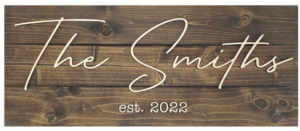
Reclaimed wood projects offer an array of creative possibilities that blend sustainability with style. One popular idea is to craft custom furniture, such as a rustic coffee table or a charming bench, which highlights the unique grains and patinas of the reclaimed wood. Wall art and decor items, like handcrafted picture frames, family name signs or geometric wall panels, can bring a touch of character to any room.
Reclaimed wood can also be transformed into functional pieces like shelving units, where the natural imperfections and weathered look create a visually appealing contrast with modern interiors. For outdoor spaces, consider building garden planters, birdhouses, or even a stylish patio bar, making the most of the wood’s durability and natural beauty. Each project not only adds a distinctive element to your home but also celebrates the history and sustainability of the reclaimed materials.
Reclaimed Wood Vs Drift Wood
Reclaimed wood and driftwood each have unique characteristics and uses, and understanding their differences can help you choose the right material for your project.
Reclaimed Wood:
Reclaimed wood is salvaged from old buildings, barns, pallets, or other structures. It is typically sourced from lumber that has already been used and repurposed, often coming from sources like vintage furniture, architectural elements, or shipping pallets. This wood is prized for its durability, rich history, and the unique character it develops over time. Reclaimed wood usually undergoes a process of cleaning, de-nailing, and sometimes sanding before being used in new projects. Its previous use often imparts a distinctive patina and aged appearance, making it ideal for projects that benefit from a touch of vintage charm or historical significance.
 Driftwood:
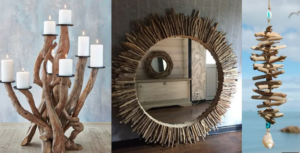
Driftwood refers to wood that has been naturally weathered and shaped by the elements while floating in or washed up by bodies of water, such as rivers, lakes, or oceans. This type of wood is typically smoother and more rounded due to the action of water and sand. Driftwood often has a bleached or greyed appearance from prolonged exposure to sunlight and salt, giving it a unique, natural texture and color. It’s commonly used in decorative projects, such as sculptures, wall art, and coastal-themed furniture. Unlike reclaimed wood, driftwood does not usually require extensive processing but may need to be cleaned and treated to remove any salt or potential pests.

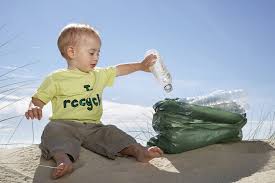 Most of the time, we do not think about where the trash goes once we take it to the county dump or have the garbage truck pick it up on its way through. We never question whether it is being disposed of properly once it leaves our home. We simply know that we do not want it anymore. Perhaps it is time that we start asking questions because a lot of times our trash is ending up in our oceans. This is not good for us or the world we live in. Therefore, before you send things to the county dumpster, decide if there is a better way for you to dispose of the unwanted things you have. You can do this by trying to recycle, reuse, and upuse the things that we can.
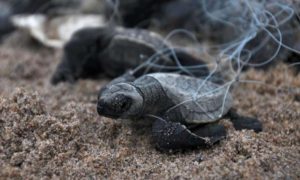 There are several things that you personally can do to reduce the amount of trash in our oceans. For instance, you can:
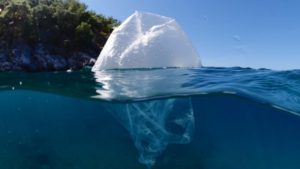 If you see trash on the ground, do you walk on past or do you toss it in the nearest trashcan? If you have an old dresser that you no longer want, do you send it to the landfill or give it to someone else to use? One man’s junk is another man’s treasure. We need to always remember that. If we all choose to consider our options to recycle, reuse, and upuse, we can make a difference.
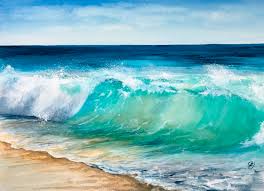 Our oceans hold many secrets. They are a huge part of the world that we live in. If they get too high or too low, it can lead to major problems for our world. This is why we look so hard at the glaciers and global warming trends that may change the world in unbelievable ways. It is also one of the main reasons there are projects like MariaBox.
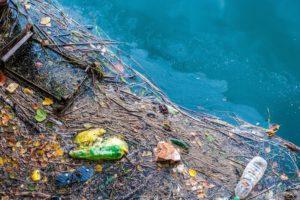 This box is a device that monitors our oceans. It looks for biological and chemicals that may be polluting our waterways. It is installed in a buoy and can be seen in a variety of areas.
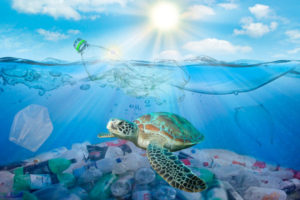 One of the main reasons we have to worry about pollutants is simple. Our aquatic life. The oceans around us, the ones that we depend on, are being filled with all types of trash, oil, carbon emissions, and noise. It is interrupting the way that our fish thrive. We have all seen the effects of an oil rig that goes bad. The water for miles around it becomes nasty for fish and all other types of organisms in the water. It coats their fur and fins, making it impossible for birds to fly, fish to breathe, and more.